

Industrial Automation: How to Improve Manufacturing Efficiency and Stay Competitive
Can a single manufacturing floor decision reshape your entire competitive position? Industrial automation transforms manufacturing environments by replacing manual labour with automation technology and control systems that perform tasks with precision and consistency.
In 2026, manufacturers across Québec and Ontario face mounting pressure to increase output while reducing costs and improving manufacturing efficiency. Industrial automation allows companies to optimize manufacturing processes, reduce downtime, and improve production across every production line.
This shift is no longer optional. Companies that delay industrial automation adoption risk falling behind competitors that streamline operations and improve product quality.
What Is Industrial Automation?
Industrial automation uses control systems, including programmable logic controllers (PLCs), sensors, and HMI (human-machine interfaces), to monitor and control machinery without human intervention. These industrial control systems collect real-time data and trigger motion control systems, pneumatic components, and CNC machines to perform tasks across manufacturing processes.
Industrial automation technology ensures consistent output across production lines while improving reliability, reducing machine downtime, and increasing manufacturing efficiency.
How Industrial Automation Works in Modern Manufacturing?
Industrial automation begins with sensor data collected across the shop floor. Temperature sensors, pressure devices, and vision systems send data to programmable logic controllers (PLCs). These control systems process inputs and activate motion control systems, CNC machines, or robotic equipment to maintain stable production.
HMI operator interfaces allow operators to monitor and control production lines in real time. These automation tools improve visibility across manufacturing environments and support better decision-making.
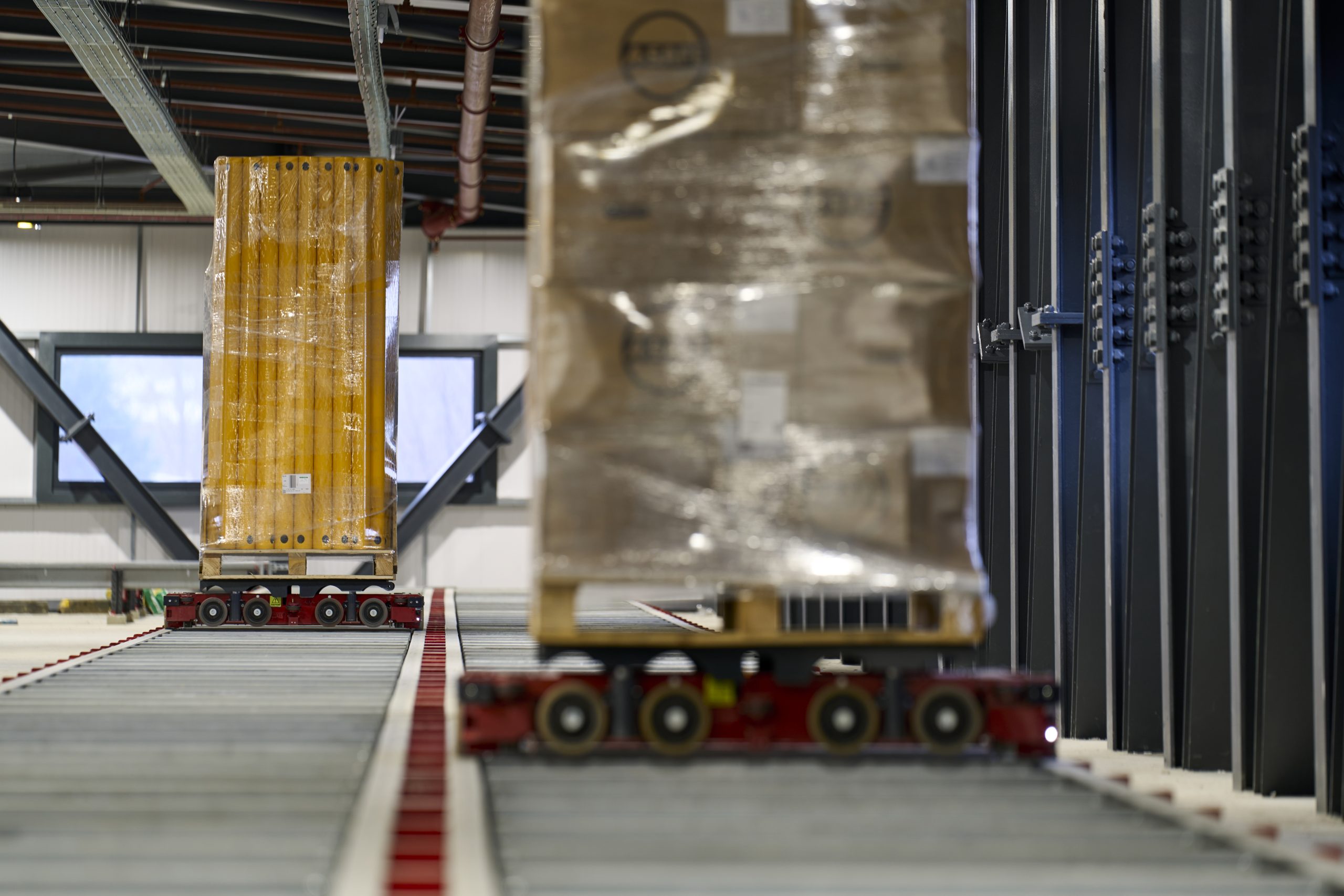
Automation systems also optimize material handling, industrial storage, assembly lines, and production lines, ensuring consistent flow and reduced downtime.
Why Manufacturing Companies Turn to Automation Solutions?
Manufacturers across Canada are investing in industrial automation to improve manufacturing efficiency, increase productivity, reduce costs, and maintain a competitive edge across the supply chain.
What drives industrial automation adoption?
- Reduce downtime: Automation systems detect issues early and limit machine downtime
- Improve product quality: Control systems ensure consistent execution across production lines
- Optimize labour: Workers move away from repetitive manual tasks
- Improve production: Automation tools increase output, boost productivity, and streamline manufacturing processes
- Reducing costs: Better resource utilization across manufacturing environments
- Improve safety: Automation reduces exposure to repetitive tasks and hazardous environments
Types of Industrial Automation Systems
Industrial automation includes a range of industrial automation systems designed for different manufacturing processes:
- Fixed automation: Used in high-volume production lines and assembly lines
- Programmable automation: Flexible systems controlled by PLCs
- CNC machines: Used for precision machining
- Pneumatic systems and hydraulic systems: Used for fast, repetitive motion in material handling and pallet racking environments
- Motion control systems: Coordinate servo-driven equipment
Each system supports specific production line requirements and complex manufacturing constraints.
How to Choose the Right Automation System for Your Operations?
Choosing the right industrial automation system requires a detailed understanding of your manufacturing processes and production line requirements.
Start by analyzing:
- Workflow and material handling
- Machine downtime
- Production bottlenecks
Match automation technology to your needs:
- CNC machines for precision
- Motion control systems for coordinated movement
- Pneumatic components for speed
A system that attempts to automate the wrong process delivers no value. A qualified automation partner ensures proper system integration, scalability, and long-term performance.
Next Steps: Partner with Engineering-First Automation Experts
At MSK Canada, you work directly with industrial engineers—no sales representatives, ensuring objective recommendations based on your operational reality. Our engineering expertise ensures that every industrial automation solution is designed to optimize manufacturing processes and improve production performance.
We analyze your shop floor, evaluate material handling systems, and design industrial automation systems aligned with your operational needs. From PLC integration to motion control systems and production line optimization, we deliver engineered solutions focused on performance and reliability, with ongoing technical support and continuous optimization.
Contact our engineering team to evaluate your current operations and identify the most effective automation opportunities based on your specific constraints.
Common Questions About Industrial Automation
What is the typical investment range for industrial automation systems?
Industrial automation projects typically range from $150,000 to over $1 million, depending on system complexity and operational requirements identified during the initial engineering audit.
How long does implementation take from audit to full operation?
Implementation timelines range from 8 to 16 weeks, depending on the scope of industrial automation systems and integration requirements.
Do programmable logic controllers (PLC) require specialized maintenance?
Yes. PLCs require regular monitoring and maintenance to ensure control systems function properly and prevent machine downtime.
Should we choose robotics or pneumatic systems for our operations?
The right choice depends on your production line and manufacturing processes. Pneumatic systems are ideal for speed, while robotics supports more complex tasks.