


What is Warehouse Management System Technology? A Comprehensive Guide to Logistics Excellence
In the modern industrial landscape, the efficiency of a distribution center is no longer just a competitive advantage, it is a requirement for survival. As Canadian businesses navigate increasingly complex supply chains, the need for digital control has never been more urgent. This brings many operational leaders to a pivotal question: what is warehouse management system (WMS) technology, and how can it fundamentally redefine the way a company handles its inventory management and fulfillment?
A warehouse management system is a highly specialized management software designed to control and optimize warehouse operations from the moment goods enter a facility until they are shipped to the end customer. Unlike basic spreadsheets, a good WMS acts as the central intelligence of the building, providing real-time visibility into every movement. By integrating a WMS solution with high-quality material handling equipment, businesses can transform a static inventory storage area into a dynamic, high-velocity fulfillment process.
Understanding the Core Logic: What is Warehouse Management System Software?
To truly grasp what is warehouse management system logic, one must look at it as a tool for enterprise resource planning specifically tailored for the floor. A modern WMS provides the real-time data necessary to streamline warehouse activities, allowing warehouse managers to oversee daily warehouse operations with absolute precision. This wms system does not just track items; it manages the warehouse workflows, directing warehouse workers to the most efficient paths for picking and packing.
At MSK Canada, we believe that efficient warehouse management starts with the marriage of software and physical design.
A wms provides real-time insights that are only as good as the warehouse space they manage. If your warehouse storage system design is flawed, even the most expensive wms software will struggle to optimize storage. That is why we offer strategic warehouse storage system recommendations to ensure your wms complies with your physical constraints while maximizing your inventory levels and throughput.
The Strategic Role in Supply Chain Management
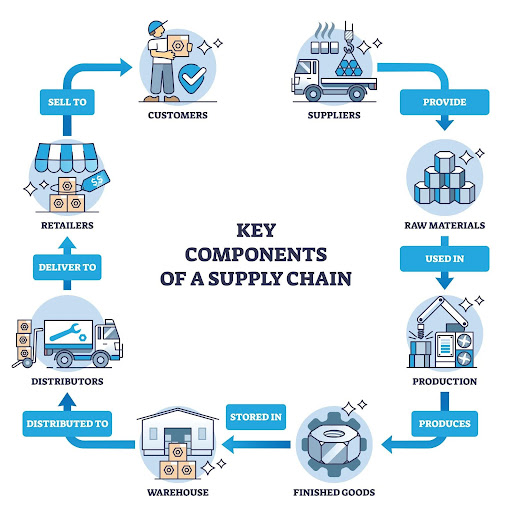
The role in supply chain of a warehouse management solution has evolved significantly. In a global supply chain, a warehouse is a critical node that must integrate seamlessly with other business systems.
Whether you are using a cloud-based wms or an on-premises wms, the goal remains the same:
- Improve inventory visibility
- Speed up order processing
- Reduce human errors
A integrated wms allows a company to fulfill orders with a level of speed that manual systems cannot match. By utilizing RFID and barcode technology, the wms can provide a level of inventory tracking that eliminates human error. This real-time visibility is essential for managing changing market conditions, where the ability to adopt a wms quickly can determine whether a business thrives or fails. As experts in logistics processes, MSK Canada understands how a wms helps stabilize the supply chain management for businesses operating across Canada.
Exploring the Main Types of Warehouse Management Systems
When selecting a wms, it is vital to understand the different types of warehouse management systems available on the market. Each type of wms offers distinct advantages depending on your specific logistics needs and existing enterprise systems.
- Standalone WMS:
- This is a standalone wms focused purely on warehouse processes. It is often a “best-of-breed” wms can help businesses that require deep, specialized functionality without the overhead of a full erp.
- ERP-Integrated WMS:
- Many erp systems now include a warehouse management module. This ensures that your order management and transportation management are all housed within the same wms can provide ecosystem, offering a “single version of the truth.”
- Cloud WMS vs. On-Premises:
- A cloud wms (or cloud-based wms) is increasingly popular due to its lower upfront cost and ability to optimize warehouse operations without needing local servers.
- An on-premises wms, however, remains a choice for those who need total control over their internal wms system.
Regardless of the software, implementing a warehouse management system is a physical challenge. MSK Canada ensures that your warehouse locations, racking, and aisles are engineered to support the specific wms can help your facility.
Key Benefits of a Warehouse Management System Implementation
The benefits of a warehouse management rollout are measurable and immediate. By choosing the right warehouse management system, a company can optimize its entire fulfillment cycle.
- Increased Efficiency: A wms helps by automating daily warehouse operations, reducing the time warehouse workers spend searching for stock around the warehouse.
- Labor Management: Modern wms software includes labor management features that help warehouse managers balance workloads and streamline the picking and packing process.
- Space Optimization: By analyzing inventory storage patterns, the wms can provide recommendations on how to optimize storage layouts, which is where MSK’s warehouse storage system design becomes invaluable.
- Customer Satisfaction: When you fulfill orders correctly the first time, your packing and shipping accuracy skyrockets, leading to a more efficient warehouse management reputation.
Synergy Between WMS and Physical Infrastructure
A good wms is only half the battle. To truly optimize warehouse performance, the wms must be supported by the right hardware. This is the core philosophy of MSK Canada. We have seen many wms implementation projects fail because the physical warehouse workflows were not updated to match the new wms solution.
For example, if your wms system suggests a high-density picking strategy, your warehouse space must be equipped with the appropriate material handling equipment. Our team provides the warehouse storage system recommendations needed to align your wms software with your physical racking, mezzanines, and inventory storage solutions.
This holistic approach is what allows our clients to truly benefit from a wms.
The Technical Roadmap: WMS Implementation and Integration
Implementing a warehouse management system is a complex journey that requires a deep understanding of business systems. The wms implementation begins with a thorough audit of your warehouse processes. You must map out how goods flow throughout the supply chain, from receiving to packing and shipping.
During this phase, MSK Canada works as your partner to optimize the physical floor plan. We ensure that the right wms choice is supported by a warehouse storage system design that allows for real-time visibility.
Integrating the wms with transportation management software and erp systems ensures that every order fulfillment is tracked from the distribution center to the customer’s door. This integrated wms approach is what provides the real-time data necessary to scale in a competitive market.
Innovation and the Future of Warehouse Operations
The future of logistics lies in the further integration of AI and automation within the wms. A modern wms will soon do more than just manage; it will predict. By analyzing real-time data, the wms system can anticipate changing market conditions and suggest shifts in inventory storage before they are even needed.
Furthermore, the rise of third-party logistics (3PL) has changed the type of wms requirements for many. These providers need a wms that complies with multiple client needs simultaneously.
Whether you are a small business or a large enterprise, the ability to optimize warehouse operations through a wms solution is no longer optional. MSK Canada is here to ensure that your material handling equipment and warehouse storage system design are ready for this digital future.
Partnering for Logistics Success
Answering the question of what is warehouse management system technology is only the first step. The real work lies in the wms implementation and the physical optimization of your distribution center. With over 30 years of experience, MSK Canada is uniquely positioned to help you selecting a wms and ensuring it works perfectly with your warehouse space.
We provide the strategic warehouse storage system recommendations that turn a good wms into a great one. By focusing on efficient warehouse management, we help you optimize, streamline, and automate your way to a more profitable future.
Let us help you adopt a wms that truly delivers on its promise.
FAQ about Warehouse Management System
– What is warehouse management system (WMS) software primarily used for?
A WMS is used to automate and optimize warehouse operations, including inventory tracking, picking and packing, and order fulfillment.
– How does a WMS integrate with my existing ERP?
An integrated wms connects directly to your enterprise resource planning system to share real-time data on inventory levels and sales orders.
– Can MSK Canada help if I already have a WMS?
Yes, we provide warehouse storage system recommendations to ensure your physical racking and warehouse space are optimized for your current wms software.
– What is the return on investment for a WMS implementation?
ROI comes from efficient warehouse management, reduced labor costs, 99% inventory management accuracy, and faster fulfillment times.